
Transport Fever 3 review roundup: Metacritic 83 from 16 critics, Steam at 66 percent recent, three stability patches, and a clear buy or wait verdict.
Transport Fever 3 Review: What Critics and Players Actually Say
Quick answer: Transport Fever 3 sits at a Metacritic score of 83 from 16 critic reviews, with 15 positive and one mixed, while its Steam reception is split by era. Recent reviews run at 66 percent from roughly a thousand players in the last 30 days, the English lifetime figure is 71 percent from about 3,450 reviews, and Urban Games has shipped three stability patches since the September 29, 2026 launch. It is a deep, occasionally stubborn transport sim that rewards patience and punishes a weak PC.

This page is a roundup of published evaluation plus our own reading of the systems, not a scored review. We do not attach a number to someone else's work, and we do not invent one for ours.
The scorecard, as of November 23, 2026
| Source | Figure | What it measures |
|---|---|---|
| Metacritic (PC) | 83 | 16 critic reviews: 15 positive, 1 mixed, 0 negative |
| Steam, recent | 66 percent | 997 reviews in the last 30 days, rated Mixed |
| Steam, English lifetime | 71 percent | 3,450 reviews, rated Mostly Positive |
| SteamSpy | 7,443 peak concurrent | Median playtime 1,744 minutes |
Individual critic scores cluster in the mid-to-high eighties: HardZone at 92, GameStar at 88, Gamersky at 88, and 85s from But Why Tho?, Multiplayer.it and GRYOnline. That is a confident, well-liked sequel rather than a genre-redefining one, and the spread between critic sentiment and recent player sentiment is the most interesting number on the page.
Official source: Transport Fever 3 on Metacritic
What the critics praise
Three themes repeat across the positive reviews.
The first is scale with texture. Transport Fever 3 does not just add more vehicles; it adds more reasons for a line to exist, from industry boosters to passenger needs, and critics consistently single out how a map fills up with a working economy rather than a train set.
The second is the campaign. Eight scripted missions with named characters and voice acting in English and German give the game a front door that earlier entries lacked, and reviewers treat it as the best tutorial the series has had.
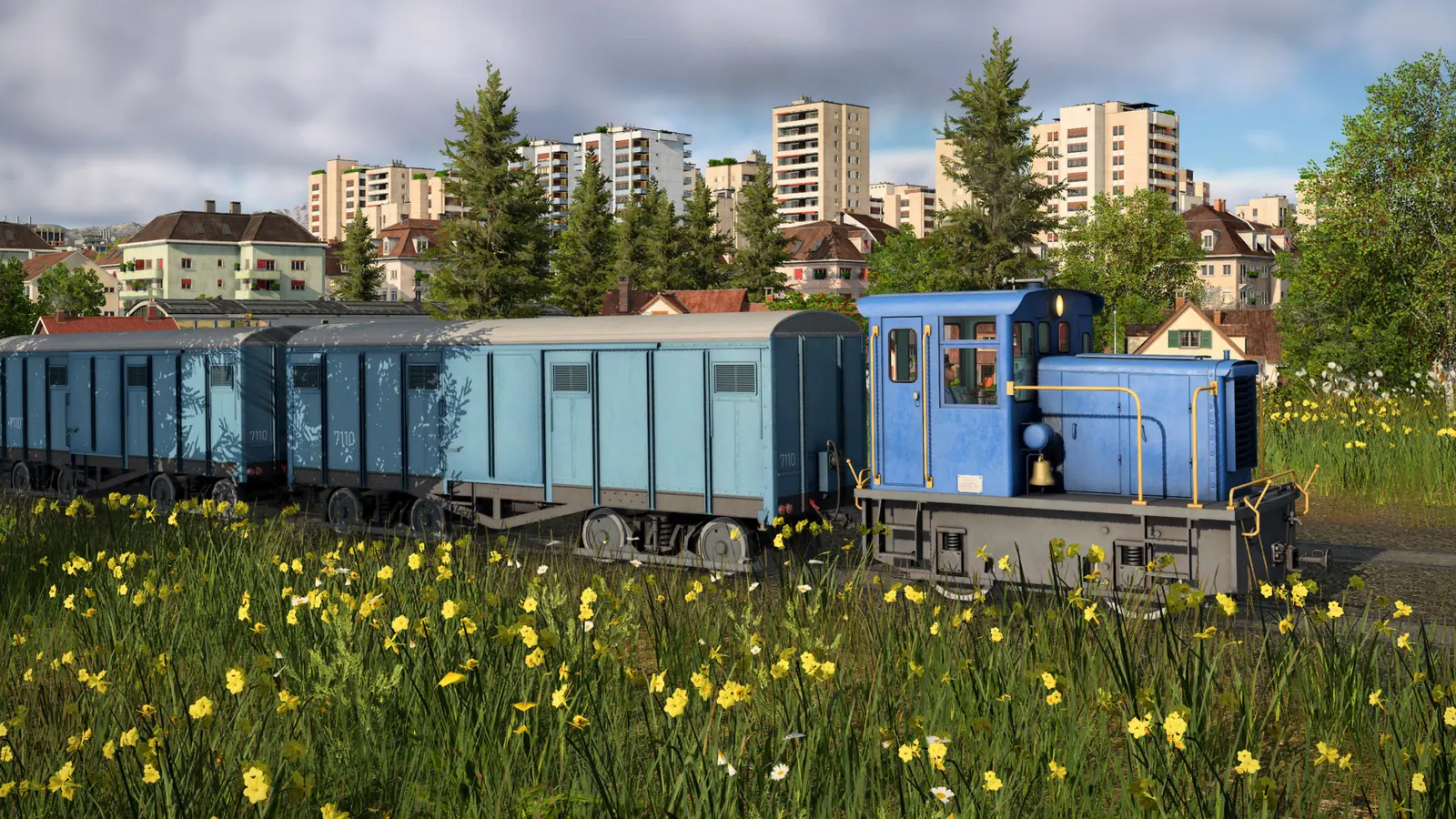
The third is presentation. The lighting, the era-correct rolling stock and the city growth are the parts that get screenshots in every review, and they hold up in motion.
What the critics criticise
The complaints are equally consistent, and they matter more after launch than before it.
Performance is the loudest. GamingSanctum's launch-week verdict put it plainly: "Performance issues, pathfinding problems and some overly automated systems still hold it back." GameGrin, reviewing on October 8, 2026, called the camera movement jumpy, which is a small thing that becomes a large thing after forty hours.
The second complaint is that the game automates decisions players wanted to make. Default cargo rules, automatic line colouring and assisted signalling all save clicks, and all of them can quietly produce a line that does not do what you meant. Our own guides run into this constantly: most "cargo not moving" reports trace back to a default setting nobody opened.
The third is that the simulation is opaque at the edges. Industries close, plots expand, storage caps destroy output, and the game explains these systems in a manual rather than in a tutorial pop-up.
Official source: GamingSanctum review of Transport Fever 3
The patch record changes the verdict
A review written on launch day is already out of date, because three stability updates have landed since.
| Update | Date | Effect on the review |
|---|---|---|
| First Stability Update | October 8, 2026 | Crash and stability work; the launch-week performance complaints start to soften |
| Second Stability Update | October 22, 2026 | More stability fixes, same scope: no economy rework |
| Third Stability Update | November 19, 2026 | Latest stability pass, still no design overhaul |
None of those patches rewrote pathfinding or the automation defaults, which is why the recent Steam score sits below the lifetime one. The people still playing in November are the ones who notice the rough edges, and they are reviewing what they see rather than what launched.
Official source: Third Stability Update on Steam
Performance and system requirements
The minimum and recommended specs published on Steam are modest on paper, and the game runs on hardware well below the recommended tier as long as the map stays small. The trouble arrives with a dense late-game network: more vehicles, more industries and more pathfinding work per tick.
If your machine is borderline, read the system requirements breakdown before buying, and keep the lag and performance fixes open for the first evening. The short version is that Transport Fever 3 leans on the CPU as networks grow, so a fast core and disciplined line counts matter more than a bigger GPU.
Who should buy it
Buy it now if you played Transport Fever 2 and wanted more of everything: more cargo logic, a real campaign, better cities and a reason to care about which industry gets which booster. The 83 metascore is earned, and the three patches have removed the worst launch instability.
Wait for a sale or a fourth patch if you are sensitive to frame drops on large maps, if you play exclusively on a laptop, or if you bounced off Transport Fever 2 because the simulation felt opaque. The sequel explains more, but it still expects you to read.
Skip it if you want a city painter. This is a logistics game where the city is the scoreboard, not the toy.
How it compares
Against its own predecessor, the sequel wins on campaign, cargo depth and presentation, and loses on nothing except the comfort of familiarity; the full comparison lives in Transport Fever 3 vs Transport Fever 2. Against Cities: Skylines 2 the genres diverge sharply, and the Cities Skylines 2 comparison explains why the two games are not substitutes.
If you have not bought yet, the edition guide covers what the Deluxe bundle actually adds, and the patch and known issues log tracks what is still broken.
Frequently Asked Questions
Is Transport Fever 3 worth buying in 2026?
For transport-sim players, yes. Critics average 83 and the campaign is the strongest the series has had, but recent Steam sentiment is Mixed at 66 percent because performance and automation complaints survived the launch window. Buy it if you want depth; wait if you need polish on a large map.
What is Transport Fever 3's Metacritic score?
83 on PC, from 16 critic reviews: 15 positive, one mixed and none negative. Individual scores range from 85 to 92 among the outlets Metacritic counts.
Why are recent Steam reviews worse than the lifetime score?
The lifetime English score is 71 percent from about 3,450 reviews; the last 30 days sit at 66 percent from 997. Players who stay past launch are more likely to hit late-game performance limits, and three stability patches have not changed pathfinding or the automatic cargo defaults.
Does Transport Fever 3 have microtransactions?
No. It is a single-purchase game at 49.99 USD with no cash shop on the store page. The Deluxe edition bundles extras up front, which the edition guide breaks down.
Is the game still being patched?
Yes. Stability updates landed on October 8, October 22 and November 19, 2026. None of them was an economy or pathfinding overhaul, so treat the current build as stabilised rather than redesigned.
More Transport Fever 3 Guides
How Transport Fever 3 pays for cargo: distance, speed, complexity, and on-time delivery windows that decide profit per load.
Transport Fever 3 city growth explained: 18 levels, XP, six ratings and hamlet-to-metropolis planning. Pre-launch guide.
TF3 hit PS5 and Xbox Series X|S on September 29, 2026 alongside PC: console prices, Game Pass status, save transfer, and why Xbox search fails.
Survive Transport Fever 3 hard mode: strict openers, loan discipline, and cashflow rules that keep a brutal start from ending early.
Helicopters in Transport Fever 3: oil platform helipads and the 1950 unlock, the Sikorsky S-76, where rotorcraft pay off and what the manual leaves out.
How money works in Transport Fever 3: delivery income, running costs, full loads, and the route habits that turn thin lines profitable.
Transport Fever 3 industries: density is a map slider, closures follow a 10-year rule and 730-day countdown, and boosters replace TF2 targets.
Transport Fever 3 landmarks grant area bonuses tied to headquarters and company rank. Confirmed landmarks, how bonuses work, and subsidy details still pending.